
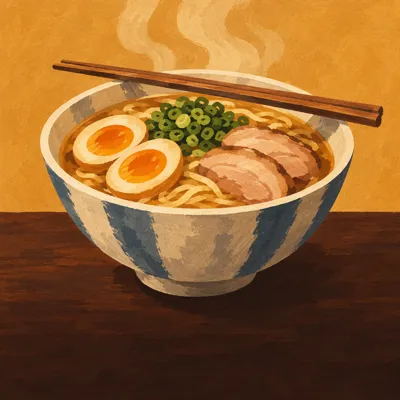
Japanese Cuisine quiz
3 questions. No signup. Your move.
What is pounded to make mochi?
Now make it a duel.
Play more questions on Japanese Cuisine in LearnClash. Challenge friends in a new quiz duel.
Play more in the appA tap copies this page’s link so the app can pick up where you left off.
That was every question in this preview. Pick another topic or keep going in the app.
A new quiz every day: Today’s quiz
The video couldn’t load. You can watch it on YouTube.
Choose a topic, answer questions and challenge a friend in LearnClash.
Watch on YouTubeA tap copies this page’s link so the app can pick up where you left off.
More questions about Japanese Cuisine
These visible examples show the question style. LearnClash turns the full topic into ranked duels and spaced repetition.
-
Which noise is polite when eating ramen?
Answer: Slurping
Why: The air a slurp draws in cools the noodles on the way and aerates the broth.
-
How does 'itadakimasu' literally translate?
Answer: I humbly receive
Why: Its after-meal partner, gochisosama, is written with characters for running about, thanking whoever rushed to gather the food.
-
What warm objects in monks' robes gave kaiseki its name?
Answer: Stones
Why: Tea master Sen no Rikyu is thought to have chosen these characters for the frugal meal served before a tea ceremony.
-
Where did ramen come from before reaching Japan?
Answer: China
Why: Ramen is also called chuka soba in Japan, a name that simply means Chinese soba.
-
Which grain goes into most soy sauce?
Answer: Wheat
Why: Tamari, brewed mostly from soybeans with little or no wheat, makes up only about 2% of Japan's soy sauce.
-
Which city made castella sponge cake its specialty?
Answer: Nagasaki
Why: Its name comes from Portuguese pão de Castela, bread from Castile, the old Spanish kingdom.
Keep going in the app
A tap copies this page’s link so the app can pick up where you left off.

