
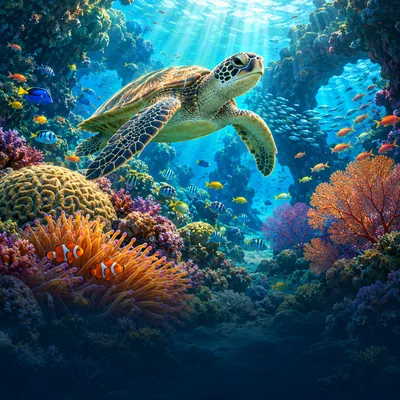
Marine Life quiz
3 questions. No signup. Your move.
Through which biological process can a sea star regrow limbs lost to predators?
Now make it a duel.
Play more questions on Marine Life in LearnClash. Challenge friends in a new quiz duel.
Play more in the appA tap copies this page’s link so the app can pick up where you left off.
That was every question in this preview. Pick another topic or keep going in the app.
A new quiz every day: Today’s quiz
The video couldn’t load. You can watch it on YouTube.
Choose a topic, answer questions and challenge a friend in LearnClash.
Watch on YouTubeA tap copies this page’s link so the app can pick up where you left off.
More questions about Marine Life
These visible examples show the question style. LearnClash turns the full topic into ranked duels and spaced repetition.
-
What ocean giant is recognized as the world's largest living fish?
Answer: Whale shark
Why: The largest reliably measured whale shark ran 18.8 m (62 ft), and a 2022 study found these giants digest Sargassum seaweed too.
-
How many distinct color photoreceptor types does a mantis shrimp's eye contain?
Answer: 12
Why: A mantis shrimp reads color with 12 receptor classes, from deep ultraviolet to far red, and adds four more for polarized light: 16 in all.
-
Where on its body does a sea otter store its favorite foraging rock?
Answer: Under its armpit
Why: Otters do not hold tools in cheek pouches; instead, loose skin folds under their forearms act as built-in pockets.
-
Why must dolphins and whales regularly swim to the ocean surface?
Answer: To breathe air
Why: Even though they spend their entire lives in the sea, whales and dolphins can drown if trapped underwater.
-
How is the venomous Portuguese man o' war biologically classified?
Answer: A siphonophore
Why: Most people think it is an individual jellyfish, but it is actually an integrated colony of four distinct polyp types.
-
As older lobsters grow, which risk comes from shedding larger shells?
Answer: Exhaustion during molting
Why: As lobsters grow, molting takes more energy and can eventually kill them through exhaustion, though predation and disease can also kill them.
Keep going in the app
A tap copies this page’s link so the app can pick up where you left off.

