
Paris quiz
3 questions. No signup. Your move.
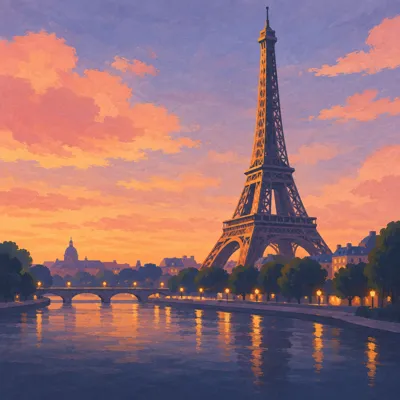
For which event was the Eiffel Tower built?
Now make it a duel.
Play more questions on Paris in LearnClash. Challenge friends in a new quiz duel.
Play more in the appA tap copies this page’s link so the app can pick up where you left off.
That was every question in this preview. Pick another topic or keep going in the app.
A new quiz every day: Today’s quiz
The video couldn’t load. You can watch it on YouTube.
Choose a topic, answer questions and challenge a friend in LearnClash.
Watch on YouTubeA tap copies this page’s link so the app can pick up where you left off.
More questions about Paris
These visible examples show the question style. LearnClash turns the full topic into ranked duels and spaced repetition.
-
Standing 210 meters tall, which skyscraper is the tallest in Paris proper?
Answer: Tour Montparnasse
Why: Outcry over the tower's monolithic design led city planners to impose a strict 37-meter height ceiling across Paris in 1977.
-
Which poet was Rodin's sculpture The Thinker first meant to represent?
Answer: Dante Alighieri
Why: The statue was originally conceived as The Poet, depicting Dante gazing down at the suffering figures in his own Inferno.
-
Who painted the auditorium ceiling inside the Palais Garnier opera house?
Answer: Marc Chagall
Why: Commissioned by culture minister André Malraux, the vibrant modern canvas pays tribute to fourteen opera and ballet composers.
-
Which queen was guillotined in Paris during the French Revolution?
Answer: Marie Antoinette
Why: Her execution took place at what is now the Place de la Concorde, nine months after King Louis XVI.
-
Why were thousands of "love locks" permanently removed from Paris bridges?
Answer: Their weight threatened the structures
Why: A railing panel on the Pont des Arts gave way in June 2014; a year later Paris cut off about a million locks weighing 45 tonnes.
-
Why did Napoleon order the construction of the Arc de Triomphe?
Answer: To celebrate his military victories
Why: Napoleon commissioned the arch in 1806 after his victory at Austerlitz, intending his returning soldiers to march through it.
Keep going in the app
A tap copies this page’s link so the app can pick up where you left off.

