
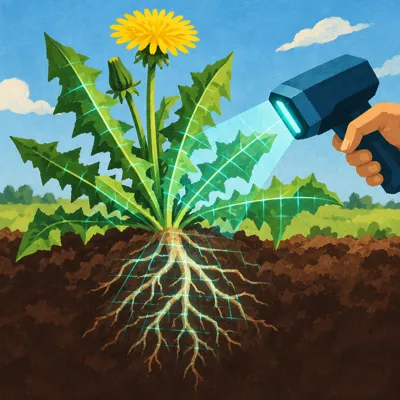
Weed Science quiz
3 questions. No signup. Your move.
What happens when farmers keep using the same herbicide on weeds?
Now make it a duel.
Play more questions on Weed Science in LearnClash. Challenge friends in a new quiz duel.
Play more in the appA tap copies this page’s link so the app can pick up where you left off.
That was every question in this preview. Pick another topic or keep going in the app.
A new quiz every day: Today’s quiz
The video couldn’t load. You can watch it on YouTube.
Choose a topic, answer questions and challenge a friend in LearnClash.
Watch on YouTubeA tap copies this page’s link so the app can pick up where you left off.
More questions about Weed Science
These visible examples show the question style. LearnClash turns the full topic into ranked duels and spaced repetition.
-
What process uses weeds to clean up heavy metals from soil?
Answer: Phytoremediation
Why: Horseweed, a common weed, takes up lead, copper and zinc from soil, and it passes the hyperaccumulator threshold for copper.
-
How many years can common mullein seeds stay viable in soil?
Answer: About 100 years
Why: Botanist William Beal buried seed bottles in Michigan in 1879, and about a century later one common mullein seed still sprouted.
-
How does resistant horseweed protect itself from glyphosate herbicides?
Answer: Sequestering it inside vacuoles
Why: Cold breaks the trick: chilled resistant horseweed pumps far less glyphosate into its vacuoles, and a normal dose finally kills it.
-
How does organic mulch suppress many weed seedlings?
Answer: It blocks sunlight from reaching seeds
Why: Wood chip mulch needs 3 to 4 inches to keep the soil dark, and once it rots down weeds start sprouting in the mulch layer itself.
-
What term describes weed growth boosted by a low herbicide dose?
Answer: Hormesis
Why: Hormesis is why underdosing backfires: 5.6 g of glyphosate per hectare more than doubled seeds per plant in resistant fleabane.
-
What structures do parasitic plants use to invade their hosts?
Answer: Haustoria
Why: Once dodder's haustoria form, its own root in the soil dies and the plant lives entirely off its host.
Keep going in the app
A tap copies this page’s link so the app can pick up where you left off.

