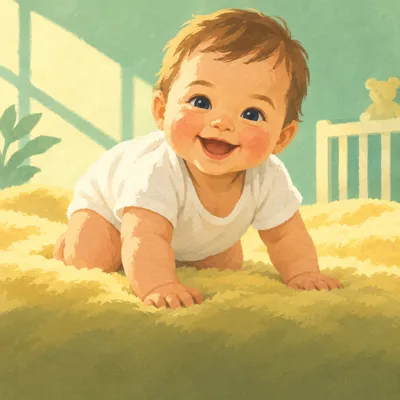
Babies quiz
3 questions. No signup. Your move.
What stage follows infancy for children around age one?
Now make it a duel.
Play more questions on Babies in LearnClash. Challenge friends in a new quiz duel.
Play more in the appA tap copies this page’s link so the app can pick up where you left off.
That was every question in this preview. Pick another topic or keep going in the app.
A new quiz every day: Today’s quiz
The video couldn’t load. You can watch it on YouTube.
Choose a topic, answer questions and challenge a friend in LearnClash.
Watch on YouTubeA tap copies this page’s link so the app can pick up where you left off.
More questions about Babies
These visible examples show the question style. LearnClash turns the full topic into ranked duels and spaced repetition.
-
Why do babies believe people vanish during a game of Peek-a-Boo?
Answer: Lack of object permanence
Why: Piaget timed the discovery at about eight to twelve months, and later studies show babies grasp it sooner than his hiding tests could reveal.
-
What is the first color most babies are able to recognize?
Answer: Red
Why: For the first weeks the world is mostly high contrast shapes, which is why black and white mobiles hold their attention.
-
When does the soft spot at the back of a baby's head usually close?
Answer: Two to three months
Why: The larger soft spot on top of the head stays open until around 18 months, but the one at the back of the head seals within months.
-
What is it called when a parent holds a baby skin to skin on their bare chest?
Answer: Kangaroo care
Why: Kangaroo care helps stabilize a newborn's heart rate and body temperature through direct warmth.
-
What do a newborn's legs do when held upright on a flat surface?
Answer: Step or march
Why: Babies who have stopped stepping on land step again when held waist-deep in water, where their legs feel lighter.
-
Why don't newborns sleep on a schedule for the first few months?
Answer: Low melatonin production
Why: A fetus gets melatonin through the placenta and a breastfed baby through milk; the baby's own melatonin rhythm only starts 2 to 3 months after birth.
Keep going in the app
A tap copies this page’s link so the app can pick up where you left off.