
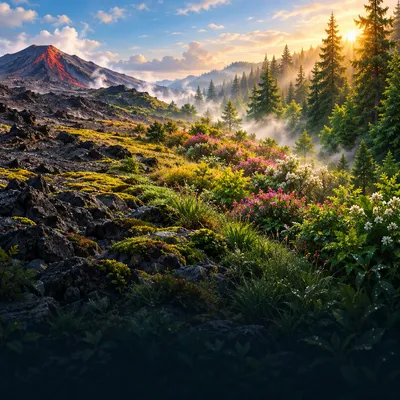
Ecological Succession quiz
3 questions. No signup. Your move.
Which nutrient do pioneers like alder add to bare ground?
Now make it a duel.
Play more questions on Ecological Succession in LearnClash. Challenge friends in a new quiz duel.
Play more in the appA tap copies this page’s link so the app can pick up where you left off.
That was every question in this preview. Pick another topic or keep going in the app.
A new quiz every day: Today’s quiz
The video couldn’t load. You can watch it on YouTube.
Choose a topic, answer questions and challenge a friend in LearnClash.
Watch on YouTubeA tap copies this page’s link so the app can pick up where you left off.
More questions about Ecological Succession
These visible examples show the question style. LearnClash turns the full topic into ranked duels and spaced repetition.
-
Where does primary succession begin?
Answer: Fresh lava
Why: Burned, logged or abandoned land recovers faster because its soil survives, often still holding seeds and roots.
-
Which nesting birds most sped up plant growth on Surtsey?
Answer: Gulls
Why: Study plots inside the gull colony show faster plant succession than any other habitat studied on the island.
-
Who compared plant communities to living organisms in 1916?
Answer: Frederic Clements
Why: Henry Gleason's rival individualistic view treats each species as responding to conditions on its own.
-
How does a Central European field end up if left alone?
Answer: As forest
Why: Starting from bare, lifeless ground, Central Europe's succession to natural forest is reckoned to take 300 to 600 years.
-
Who gave the lecture 'The Succession of Forest Trees'?
Answer: Henry David Thoreau
Why: The lecture explained how forests regrow through seeds spread by wind and animals, such as nuts that squirrels carry far from the tree.
-
In which succession model do early species help later ones move in?
Answer: Facilitation
Why: In the rival inhibition model it works the other way round: early arrivals hold back the species that come later.
Keep going in the app
A tap copies this page’s link so the app can pick up where you left off.

